DSOs Have a Cybersecurity Strategy. Few Have a Recovery Strategy
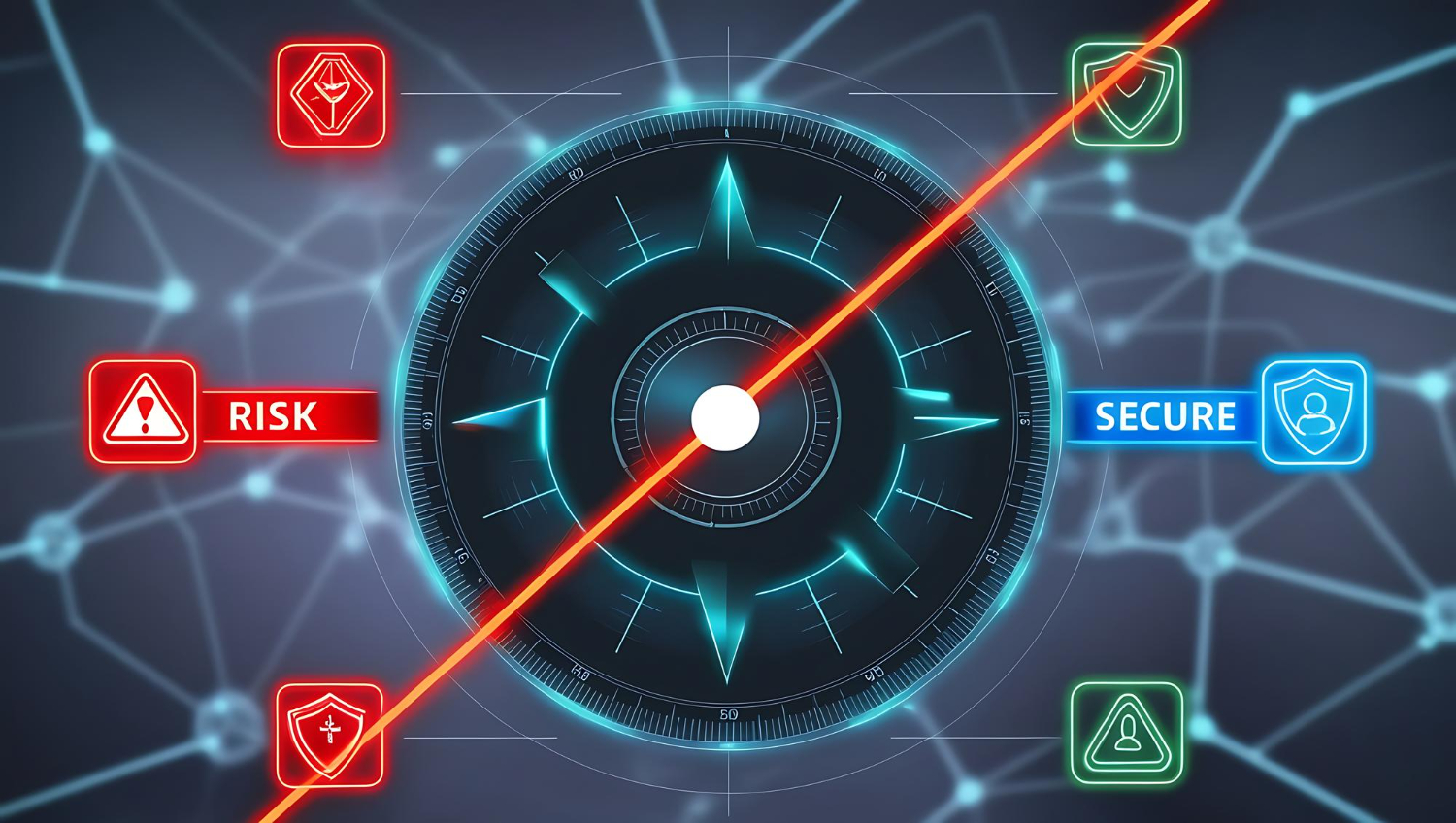
Most DSOs have invested heavily in cybersecurity, and that’s a good thing. What we’ve learned over the years, however, is that cybersecurity and cyber resiliency are not the same conversation.
Cybersecurity is designed to reduce risk.
Cyber resiliency is the organization’s ability to respond, contain the disruption, and recover when something unexpected occurs.
That difference becomes very real at 2:00 AM. An alert sitting in a system does not mean someone is awake, evaluating the threat, understanding the potential impact, and taking action.
That is why detection alone is not enough. The response has to begin just as quickly.
The First Six Hours Matter
In dentistry, a cyber event does not stay neatly inside IT.
It can affect:
- Imaging
- Charts
- Phones
- Scheduling
- Billing
- Patient communication
- Production

For a single practice, that is disruptive. For a DSO, it can become an operational nightmare across multiple locations.
The first six hours often shape everything that follows. They influence how quickly the issue is understood, whether disruption spreads, how teams are guided, and how soon recovery can begin.
The faster an organization moves from detection to coordinated action, the more control it has over what happens next.
Tools Are Only Part of the Answer
Cyber resiliency requires people, process, and action. It means understanding what is happening, determining operational impact, containing disruption, and coordinating the decisions required to begin recovery.
After supporting dental practices and DSOs for more than 20 years, we’ve seen the same challenge repeatedly. Organizations invest in security tools, but when an event occurs, they still need answers, coordination, and a clear path forward.
That experience shaped Opus around the people and processes required when an alert becomes a business event. By bringing monitoring, response, and recovery together, Opus helps DSOs move from uncertainty to coordinated action when every minute matters.
Why DSOs Should Care
As DSOs grow, the environment gets harder to protect and harder to recover. More locations. More systems. More people touching the technology. More patients depending on the day going as planned.
That is why cyber resiliency matters. Growth increases both complexity and consequence. Leaders need clarity around who takes ownership, how decisions are made, how disruption is contained, and what recovery looks like before those answers are needed.
The question is no longer simply, “Are we protected?” It is, “Are we prepared to keep operating and recover when something happens?”
Rest Assured.